Understanding the Tax Aspects of Buying Property in Sardinia
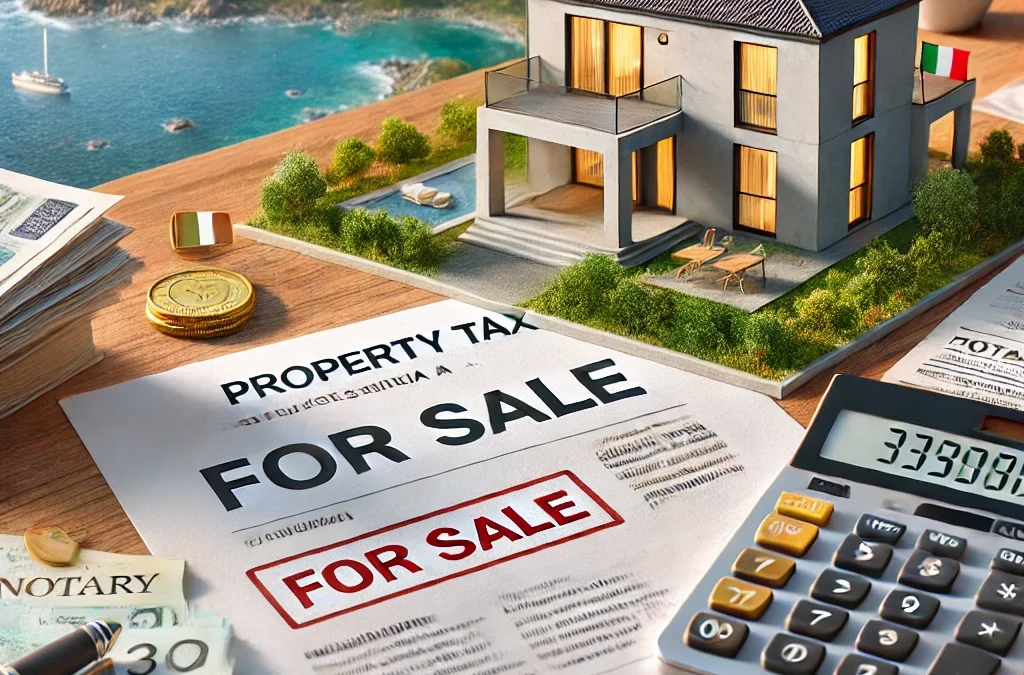
Buying a property in Sardinia is an exciting opportunity for many foreign investors and retirees looking for a Mediterranean retreat. However, before making this dream a reality, it’s essential to understand the tax implications of property acquisition in Italy. This guide provides a detailed overview of the taxes applicable when purchasing a home in Sardinia and the available tax benefits for foreign buyers and pensioners.
Why Consider Buying a Property in Sardinia?
Sardinia is one of Italy’s most sought-after destinations for property buyers due to:
- Breathtaking landscapes – from white sandy beaches to unspoiled countryside.
- High quality of life – a peaceful, relaxed lifestyle with excellent food and cultural heritage.
- Attractive property prices – compared to mainland Italy, Sardinia offers competitive real estate prices.
- Favorable tax incentives – particularly for foreign pensioners and those relocating permanently.
Key Fiscal Aspects to Consider
Purchasing real estate in Italy involves specific tax obligations, including:
- Registration tax (Imposta di Registro) – applied to purchases from private sellers.
- Value Added Tax (IVA) – applicable when buying from a developer.
- Mortgage and cadastral taxes – fixed charges that apply to all real estate transactions.
Additionally, foreign buyers may qualify for tax incentives, including reduced taxes for first-time homebuyers and a 7% flat tax for foreign retirees relocating to Sardinia.
Who Can Benefit from Tax Incentives?
Foreign investors and retirees looking to buy property in Sardinia should consider:
- Whether they meet eligibility requirements for tax reductions.
- How residency status affects property taxes and annual fees.
- The long-term benefits of investing in Sardinian real estate under Italy’s tax framework.
In the next sections, we will break down each tax in detail, explain the specific incentives for foreign buyers, and offer practical insights to make your investment as cost-effective as possible.
Taxes on Buying a Property in Sardinia
When purchasing a property in Sardinia, buyers must be aware of the tax obligations associated with the transaction. The amount you pay depends on factors such as the type of property, the seller (private or developer), and your residency status. Below, we break down the key property-related taxes applicable in Sardinia.
1. Registration Tax (Imposta di Registro)
The registration tax applies when buying from a private seller and is calculated as a percentage of the property’s cadastral value rather than the purchase price. The rates are:
- 2% for first-time homebuyers who establish residency within 18 months.
- 9% for second homes or investment properties.
💡 Example: If the cadastral value of a property is €100,000, a non-resident buyer purchasing a second home would pay €9,000 in registration tax.
2. Value Added Tax (IVA) on New Properties
When buying from a real estate developer or construction company, VAT (IVA) replaces the registration tax. The applicable rates are:
- 4% for first-time homebuyers who establish residency.
- 10% for second homes.
- 22% for luxury properties (classified as A/1, A/8, or A/9 in the Italian cadastral system).
💡 Note: VAT is calculated based on the purchase price rather than the cadastral value.
3. Mortgage and Cadastral Taxes
These taxes apply to all real estate transactions, regardless of whether the seller is a private individual or a company.
- Mortgage tax (Imposta Ipotecaria): €50 (fixed rate for first-home buyers) or 2% of the cadastral value for second homes.
- Cadastral tax (Imposta Catastale): €50 (fixed rate for first-home buyers) or 1% of the cadastral value for second homes.
4. Notary Fees and Other Costs
In addition to taxes, buyers should budget for notary fees, which typically range from €2,000 to €5,000, depending on the property value and complexity of the transaction. The notary ensures the legality of the purchase and handles tax payments on behalf of the buyer.
Summary Table: Property Taxes in Sardinia
| Tax Type | First Home (Residency) | Second Home (Non-Resident) |
|---|---|---|
| Registration Tax | 2% | 9% |
| IVA (New Builds) | 4% | 10%-22% |
| Mortgage Tax | €50 or 2% | 2% |
| Cadastral Tax | €50 or 1% | 1% |
Understanding these taxes is essential to plan your budget effectively and avoid unexpected costs. In the next section, we will explore the tax incentives available for foreign buyers, including reductions and special regimes for retirees.
Tax Benefits for Foreign Buyers in Sardinia
One of the key advantages of purchasing a property in Sardinia is the availability of tax benefits, particularly for foreign buyers and retirees looking to settle on the island. Italy offers various tax incentives aimed at encouraging investment and residency, making Sardinia an attractive destination for international property buyers.
1. First-Home Tax Benefits (Prima Casa Agevolata)
Foreign buyers who purchase a property as their primary residence can benefit from significant tax reductions. To qualify, the buyer must:
- Establish residency in Sardinia within 18 months of purchase.
- Not own another primary residence in Italy benefiting from similar tax reductions.
- Buy a non-luxury property (classified below A/1, A/8, and A/9 categories).
✅ Tax benefits include:
- Registration tax: Reduced from 9% to 2%.
- Mortgage and cadastral taxes: Fixed at €50 each instead of a percentage-based rate.
- IVA (if purchasing from a developer): Reduced from 10% to 4%.
💡 Example: A foreign buyer who meets the conditions and purchases a home with a cadastral value of €100,000 would pay €2,000 in registration tax instead of €9,000.
2. Tax Incentives for Foreign Pensioners
Italy offers a special tax regime for retirees relocating from abroad, making Sardinia an ideal choice for those looking to enjoy their retirement in a tax-efficient way.
✅ Key benefits of the pensioner tax regime:
- Flat 7% tax rate on all foreign income, including pensions.
- Valid for up to 10 years after transferring residency.
- Exemption from wealth taxes such as IVIE (on foreign real estate) and IVAFE (on foreign financial assets).
- Applicable in towns with fewer than 20,000 residents, making many Sardinian villages eligible.
💡 Example: A retiree receiving a €30,000 annual pension from abroad would pay just €2,100 in Italian taxes per year, rather than being taxed at standard progressive rates.
3. Tax Relief on Rénovation immobilière
Italy provides generous tax deductions for property restoration and energy efficiency improvements, which apply to both residents and non-residents. These incentives include:
- Bonus Ristrutturazioni: 50% deduction on renovation costs (capped at €96,000).
- Ecobonus: Up to 65% deduction for energy-efficient upgrades.
- Superbonus 110%: A temporary scheme offering tax credits for major renovations (subject to eligibility).
💡 Tip: If you’re planning to restore a traditional Sardinian home, these incentives can significantly reduce renovation expenses.
4. Special Considerations for Non-EU Buyers
Foreign buyers from non-EU countries may need to meet reciprocity agreements to purchase property in Italy. Additionally:
- A visa or residence permit may be required for long-term stays.
- Some countries have tax treaties with Italy to avoid double taxation on income and property ownership.
Summary of Tax Benefits for Foreign Buyers
| Tax Benefit | Description |
|---|---|
| First-home tax relief | 2% registration tax, lower mortgage/cadastral taxes |
| Flat tax for pensioners | 7% tax on foreign income for 10 years |
| Renovation incentives | 50%-110% deductions on home improvements |
| Exemptions for retirees | No IVIE (foreign property tax) or IVAFE (financial tax) |
By taking advantage of these tax benefits, foreign buyers can make their investment in Sardinia even more financially rewarding. In the next section, we will explore the long-term costs of property ownership, including annual taxes and maintenance fees.
Ongoing Costs of Property Ownership in Sardinia
Buying a property in Sardinia is just the beginning—owners should also consider the annual costs associated with maintaining their investment. Understanding these expenses will help buyers plan their budget effectively and avoid unexpected financial burdens.
1. Annual Property Taxes
All property owners in Italy must pay local property taxes, which vary depending on residency status and the type of property.
IMU (Imposta Municipale Unica) – Property Tax
- Primary residences are exempt, except for luxury properties (A/1, A/8, A/9 categories).
- Second homes and investment properties are subject to IMU, with rates ranging from 0.46% to 1.06% of the cadastral value, depending on the municipality.
💡 Example: If a property has a cadastral value of €150,000, and the local IMU rate is 0.9%, the owner would pay €1,350 per year in IMU.
TARI (Tassa sui Rifiuti) – Waste Collection Tax
This tax covers waste disposal services and is calculated based on:
- The size of the property (square meters).
- The number of residents living in the home.
💡 Tip: Even if the property is not occupied year-round, owners must still pay TARI. The annual cost can range from €200 to €600, depending on location and property size.
2. Utilities and Services
Sardinia offers modern utility services, but costs can vary depending on usage and whether the home is occupied seasonally or year-round.
| Service | Estimated Monthly Cost (€) | Notes |
|---|---|---|
| Electricity | €50 – €150 | Higher in summer with A/C usage |
| Water | €20 – €50 | Metered consumption |
| Gas | €50 – €100 | Varies by heating type |
| Internet | €30 – €60 | Fiber-optic available in many areas |
💡 Tip: Many foreign buyers opt for solar panels to reduce electricity costs, as Sardinia enjoys 300+ sunny days per year.
3. Condominium Fees (Spese Condominiali)
For those purchasing an apartment or a property in a residential complex, additional monthly fees apply to cover:
- Building maintenance and cleaning
- Shared utilities (lighting, elevators, gardens, security)
- Property management services
💡 Cost estimate: €500 – €2,000 per year, depending on property type and shared facilities.
4. Maintenance and Insurance Costs
Regular maintenance is essential to keep the property in good condition, particularly for traditional Sardinian homes that may require structural upkeep.
- Routine maintenance: Painting, plumbing, minor repairs (€500 – €2,000 per year).
- Garden and pool maintenance: €1,000 – €3,000 per year, if applicable.
- Home insurance: Varies based on coverage, typically €200 – €1,000 per year.
Summary: Annual Property Costs in Sardinia
| Expense Type | Annual Cost Estimate (€) |
|---|---|
| IMU Property Tax | €0 – €3,000 (if applicable) |
| TARI Waste Tax | €200 – €600 |
| Utilities | €1,200 – €3,600 |
| Condo Fees | €500 – €2,000 |
| Maintenance | €500 – €3,000 |
| Insurance | €200 – €1,000 |
Understanding these ongoing expenses ensures buyers make informed financial decisions and enjoy their Sardinian home without surprises.
In the next section, we will cover practical considerations for foreign buyers, including residency, financing options, and legal aspects of ownership.
Practical Considerations for Foreign Buyers
Buying a property in Sardinia involves more than just understanding the tax system—foreign buyers must also navigate residency requirements, financing options, and legal aspects of ownership. This section provides essential practical advice to help international buyers make informed decisions.
1. Residency and Legal Requirements
While foreigners can buy property in Italy, certain legal and administrative steps must be followed, depending on their nationality.
EU Citizens
- No restrictions on purchasing property.
- Can establish residency in Sardinia with minimal bureaucratic requirements.
Non-EU Citizens
- Must check reciprocity agreements between Italy and their home country (available on the Italian Ministry of Foreign Affairs website).
- If planning to stay long-term, they may need a residency visa (e.g., Elective Residency Visa for retirees).
💡 Tip: Establishing residency in Sardinia can provide significant tax benefits, including lower property taxes and a flat 7% income tax for pensioners.
2. Financing and Mortgage Options for Foreign Buyers
Foreign buyers have the option to finance their purchase with an Italian mortgage, but lending conditions vary based on nationality and income sources.
Key Mortgage Conditions
- Loan-to-Value (LTV) Ratio: Usually up to 60-70% of the property’s value for non-residents.
- Interest Rates: Typically range between 3-5%, depending on the lender and the buyer’s financial profile.
- Loan Terms: Generally 10-25 years.
- Required Documents: Passport, proof of income, tax identification number (Codice Fiscale), and bank statements.
💡 Tip: Working with an Italian bank that has experience with international buyers (e.g., Intesa Sanpaolo, Unicredit) can simplify the mortgage approval process.
3. Legal Aspects of Property Ownership
The Italian legal system requires strict documentation to ensure the legitimacy of a property transaction.
Role of the Notary (Notaio)
A public notary is required to oversee all real estate transactions in Italy. Their responsibilities include:
- Verifying the legal status of the property.
- Checking for outstanding debts or legal claims.
- Registering the property transfer with the Italian land registry.
💡 Cost estimate: Notary fees range from €2,000 to €5,000, depending on property value and complexity.
Essential Documents for Purchase
Before completing the purchase, buyers should obtain:
- Preliminary Purchase Agreement (Compromesso) – A legally binding contract outlining the terms of sale.
- Land Registry Extract (Visura Catastale) – Confirms the property’s ownership and cadastral details.
- Energy Performance Certificate (APE) – Required for all real estate transactions.
💡 Tip: Hiring a local real estate lawyer can ensure smooth navigation of Italian property laws and reduce potential risks.
4. Managing the Property from Abroad
Many foreign buyers purchase holiday homes or rental properties in Sardinia, requiring remote property management solutions.
Short-Term and Long-Term Rentals
- Short-term vacation rentals (e.g., Airbnb) are popular, but registration with the local municipality is required.
- Long-term rentals provide more stability but require knowledge of Italian tenancy laws.
Hiring a Property Manager
For non-residents, hiring a local property manager can be invaluable for:
- Maintenance and repairs.
- Tenant management (for rental properties).
- Utility bill payments and tax filings.
💡 Cost estimate: Property management services typically cost 5-10% of rental income for short-term rentals or a fixed monthly fee for general maintenance.
Summary of Practical Considerations for Foreign Buyers
| Aspect | Key Points |
|---|---|
| Residency & Legal Status | EU citizens face no restrictions; non-EU citizens may need a visa |
| Mortgage Financing | Up to 60-70% LTV, 3-5% interest rates, 10-25 years terms |
| Legal Requirements | Notary, land registry check, energy certification required |
| Remote Property Management | Local managers handle maintenance, rentals, and tax obligations |
By addressing these practical considerations, foreign buyers can ensure a smooth and hassle-free property purchase in Sardinia.
In the final section, we’ll summarize key takeaways and provide expert tips for making the most of your investment.
Final Considerations and Practical Tips for Buying Property in Sardinia
Purchasing property in Sardinia offers a unique opportunity to own a piece of paradise while benefiting from favorable tax policies and a high quality of life. However, to make the most of this investment, buyers should follow key best practices and take proactive steps to optimize their financial and legal position.
1. Summary of Key Fiscal Aspects
Before finalizing a purchase, it’s crucial to understand the tax obligations and incentives involved.
| Aspect | Key Details |
|---|---|
| Property Purchase Taxes | Registration tax (2-9%), VAT (4-22%), cadastral and mortgage tax |
| Annual Property Taxes | IMU (if applicable), TARI waste tax |
| Tax Incentives | 7% flat tax for pensioners, reduced first-home tax rates, renovation tax deductions |
| Legal Requirements | Notary fees, energy certification, land registry checks |
💡 Tip: Consulting with a local tax advisor can help buyers maximize savings and avoid unexpected costs.
2. Optimizing Costs and Investments
There are several ways to minimize expenses while increasing the value of your property in Sardinia.
- Establish residency to benefit from lower taxes (IMU exemption, reduced VAT).
- Take advantage of renovation incentives to improve property value while saving on taxes.
- Choose a location wisely—properties in areas under 20,000 residents qualify for additional tax breaks.
- Consider rental income opportunities, either short-term (Airbnb) or long-term leases.
💡 Tip: Investing in energy-efficient upgrades can lead to significant tax deductions and lower utility bills.
3. Step-by-Step Guide to a Hassle-Free Purchase
To ensure a smooth transaction, follow these essential steps:
✅ Step 1: Define Your Budget and Financing Options
- Research mortgage possibilities for non-residents.
- Consider additional costs (taxes, maintenance, legal fees).
✅ Step 2: Obtain an Italian Tax Code (Codice Fiscale)
- Required for all real estate transactions in Italy.
- Easily obtained through the Italian tax office or consulate.
✅ Step 3: Conduct a Thorough Property Check
- Verify ownership through a Land Registry Extract (Visura Catastale).
- Ensure there are no legal disputes or outstanding debts on the property.
✅ Step 4: Sign a Preliminary Purchase Agreement (Compromesso)
- This contract secures the deal and usually requires a deposit (10-30% of the price).
✅ Step 5: Finalize the Sale with a Notary (Rogito Notarile)
- The notary ensures all legalities are met before transferring ownership.
💡 Tip: Hiring a local real estate lawyer can streamline the process and prevent common pitfalls.
4. Why Sardinia is a Smart Investment
Beyond the financial and tax benefits, Sardinia offers an exceptional lifestyle, including:
- Stunning landscapes with pristine beaches and untouched countryside.
- Affordable real estate compared to mainland Italy.
- High rental demand from tourists and expatriates.
- A relaxed Mediterranean lifestyle with excellent food, culture, and safety.
5. Next Steps – Turning Your Dream into Reality
If you’re ready to buy property in Sardinia, here’s what to do next:
- Consult a local real estate expert to find the best properties.
- Engage a tax advisor to optimize your fiscal benefits.
- Visit Sardinia to explore potential investment locations.
- Start the purchase process with legal and financial preparation.
💡 Final Tip: Partnering with trusted professionals (agents, notaries, and lawyers) will ensure a seamless and stress-free experience.
With the right preparation and knowledge, investing in Sardinia can be a rewarding and financially sound decision, whether you’re looking for a holiday home, retirement retreat, or profitable rental property.
🔹 Looking for expert guidance? Contact us today to explore the best real estate opportunities in Sardinia!
Ready to Find Your Dream Home in Sardinia?
Owning property in Sardinia is more than just an investment—it’s a chance to enjoy a Mediterranean lifestyle, stunning landscapes, and valuable tax benefits. Whether you’re looking for a holiday home, a retirement retreat, or a profitable rental property, we’re here to help you navigate the process with ease.
👉 Get expert advice and personalized assistance today! Contact our team to explore the best real estate opportunities in Sardinia.
📩 Get in Touch Now and take the first step toward making your dream a reality!
Quick Facts: Essential Information for Buying Property in Sardinia
Buying a home in Sardinia comes with unique opportunities and key considerations. Here are quick answers to common questions:
🏡 What are the tax benefits of buying property in Sardinia?
- Reduced taxes for first-home buyers (2% registration tax instead of 9%).
- Flat 7% tax rate for foreign retirees transferring their residency.
- Tax deductions for home renovations (up to 50-110%).
🌍 What should foreign buyers know before purchasing?
- EU citizens can buy freely; non-EU buyers may need a visa or residency permit.
- A Codice Fiscale (Italian tax code) is required to complete the transaction.
- Working with a notary and a local real estate lawyer ensures a smooth process.
🔍 How does the Italian property purchase process work?
- Find a property and negotiate terms.
- Sign a preliminary contract (Compromesso) with a deposit (10-30% of the price).
- Notary review and final deed (Rogito Notarile) to officially transfer ownership.
💰 What are the ongoing costs of owning a home in Sardinia?
- IMU property tax (only for second homes, 0.46-1.06%).
- TARI waste tax (calculated based on property size and usage).
- Utilities & maintenance vary based on property type and usage.
📜 Do I need a notary to buy property in Italy?
Yes! A notary (Notaio) is legally required to:
✔ Verify property ownership and legal status.
✔ Ensure there are no outstanding debts.
✔ Register the sale with the Italian authorities.
🔑 Can I rent out my property in Sardinia?
Yes! Many foreign owners rent their homes short-term on Airbnb or Booking.com. However:
- Registration with the local municipality is required.
- Rental income may be subject to local and national taxes.
👉 Still have questions? Contact us today! 🎯
Glossary of Key Terms for Buying Property in Sardinia
Understanding the terminology used in the Italian real estate market can help make your property purchase clear and stress-free. Here are some key terms explained simply:
🏡 Real Estate & Legal Terms
- Rogito Notarile (Final Deed of Sale): The official contract signed before a notary that legally transfers property ownership to the buyer.
- Compromesso (Preliminary Contract): A binding agreement between buyer and seller that outlines the terms of the purchase, usually requiring a 10-30% deposit.
- Notaio (Notary): A legal professional who verifies the legitimacy of the sale, ensures all taxes are paid, and officially records the property transfer.
- Visura Catastale (Land Registry Extract): A document confirming property ownership and cadastral information (size, category, and value).
- APE (Attestato di Prestazione Energetica): The Energy Performance Certificate required for all property transactions in Italy.
💰 Taxes & Financial Terms
- IMU (Imposta Municipale Unica): A local property tax applied only to second homes and investment properties, with rates between 0.46% and 1.06%.
- TARI (Tassa sui Rifiuti): The waste collection tax calculated based on property size and number of occupants.
- IVA (Imposta sul Valore Aggiunto – VAT): A sales tax applied when purchasing property from a developer, ranging from 4% to 22%.
- Codice Fiscale (Tax Code): A unique identification number required for all financial transactions in Italy, including property purchases.
- 7% Flat Tax for Retirees: A special tax regime allowing foreign retirees who move to Sardinia to pay only 7% tax on their worldwide income.
🔑 Practical Terms
- Mutuo (Mortgage): A home loan offered by Italian banks, typically covering 60-70% of the property value for non-residents.
- Affitto Breve (Short-Term Rental): A vacation rental (e.g., Airbnb) requiring registration with the local municipality.
- Spese Condominiali (Condominium Fees): Monthly or annual costs for maintaining shared property spaces, such as gardens or elevators.
- Permesso di Soggiorno (Residence Permit): A visa or permit that may be required for non-EU citizens planning to live in Italy long-term.
👉 Need help navigating the buying process? Contact us today! 🚀